
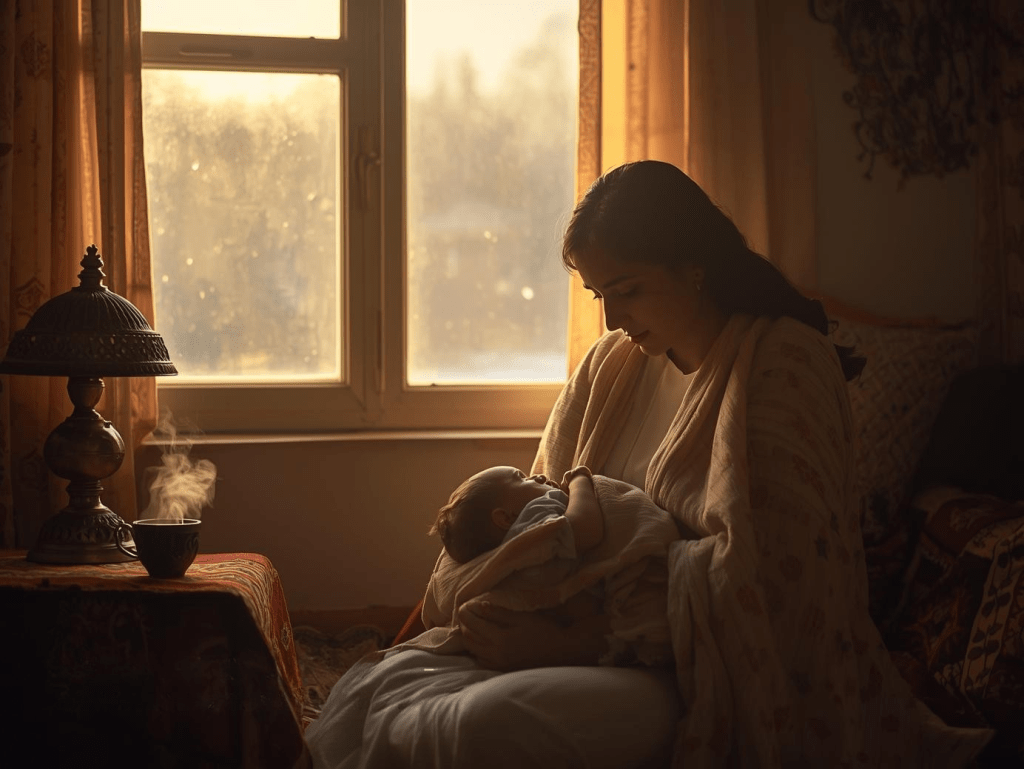
If you thought summers were challenging, now buckle up — winter is coming in full force this year. Meteorologists and climate watchers are sounding warnings: India may face one of its coldest, harshest winters in recent memory.
Here’s what the news says, why it matters for babies and little ones, and how parents in Chennai, Kolkata, Delhi, and every part in between, can help their little ones stay cozy, healthy, and happy.
- What the Reports Say: The Cold Forecast
- Why This Matters for Babies & Toddlers
- How to Keep Baby Warm
- What to Do When Signs of Discomfort Appear
- A Little Reminder & Heartfelt Note
What the Reports Say: The Cold Forecast
- Experts are tracking La Niña conditions — when Pacific Ocean surface waters cool — which tend to bring colder-than-average winters in many parts of India.
- Some forecasts warn of the “coldest winter in decades” for Delhi, Gurgaon, Noida and nearby areas.
- The IMD and other agencies caution that northern states—Jammu & Kashmir, Himachal, Uttarakhand—will likely feel the deepest chill, with more cold waves, frost, and early snowfall.
- In the Himalayas and high-altitude zones, the winter has already begun: Gulmarg, parts of Himachal, and Uttarakhand are seeing early snow.
So yes — winter isn’t just knocking; it’s barging in early.
Why This Matters for Babies & Toddlers
Babies are tiny, delicate, and sensitive to temperature swings. Sudden cold spells, inadequate warmth, or dry indoor air can lead to:
- Frequent colds, stuffy noses, coughs
- Dry, cracked skin, chapped lips
- Trouble sleeping or staying comfortable
- Dehydration (yes, even in cold weather) because we tend to reduce fluids
- Respiratory irritation (especially if indoor air becomes very dry or polluted)
When winter hits hard, little bodies need extra care, not just extra clothes.
How to Keep Baby Warm
Here are practical, region-wise tips, along with gentle home remedies (always check with your child’s pediatrician).
🏠 General Tips Across India
- Layer smartly — Start with a soft cotton inner layer, add fleece or woollen mittens and socks, and a light outer layer. Avoid overheated rooms.
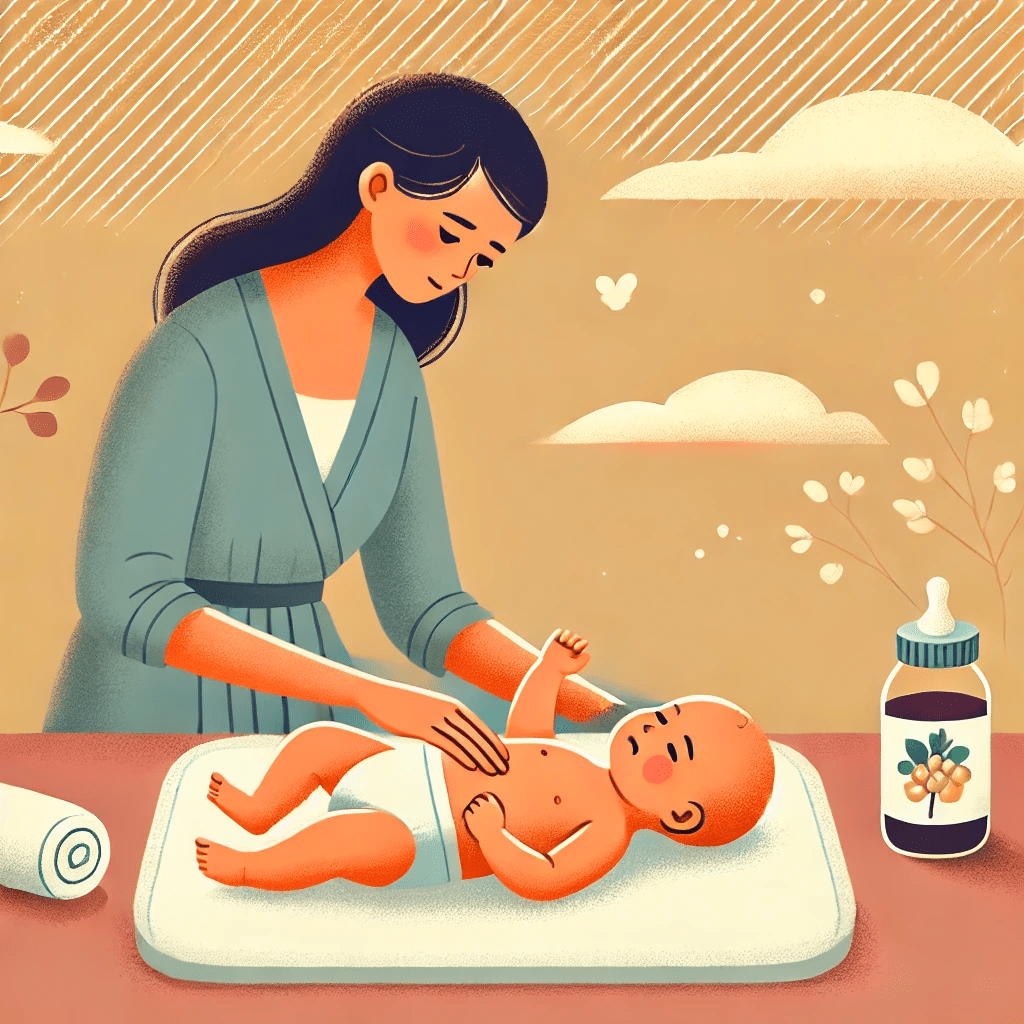
- Warm bath, not hot — Use lukewarm water, dry quickly, and apply a gentle massage oil (like sesame, almond, or coconut) to lock in moisture.
- Maintain indoor humidity — Use a humidifier or place a bowl of water near heaters; dry air irritates the throat and skin.
- Warm but well-ventilated rooms — Don’t close off rooms completely. A slight draft is healthier than stale air.
- Protect head, hands, feet — Babies lose heat fastest through extremities. Use soft caps, socks, and mittens (especially in North India).
- Keep extra clothes nearby — Babies can sweat or moisten clothes; a backup layer is always good.
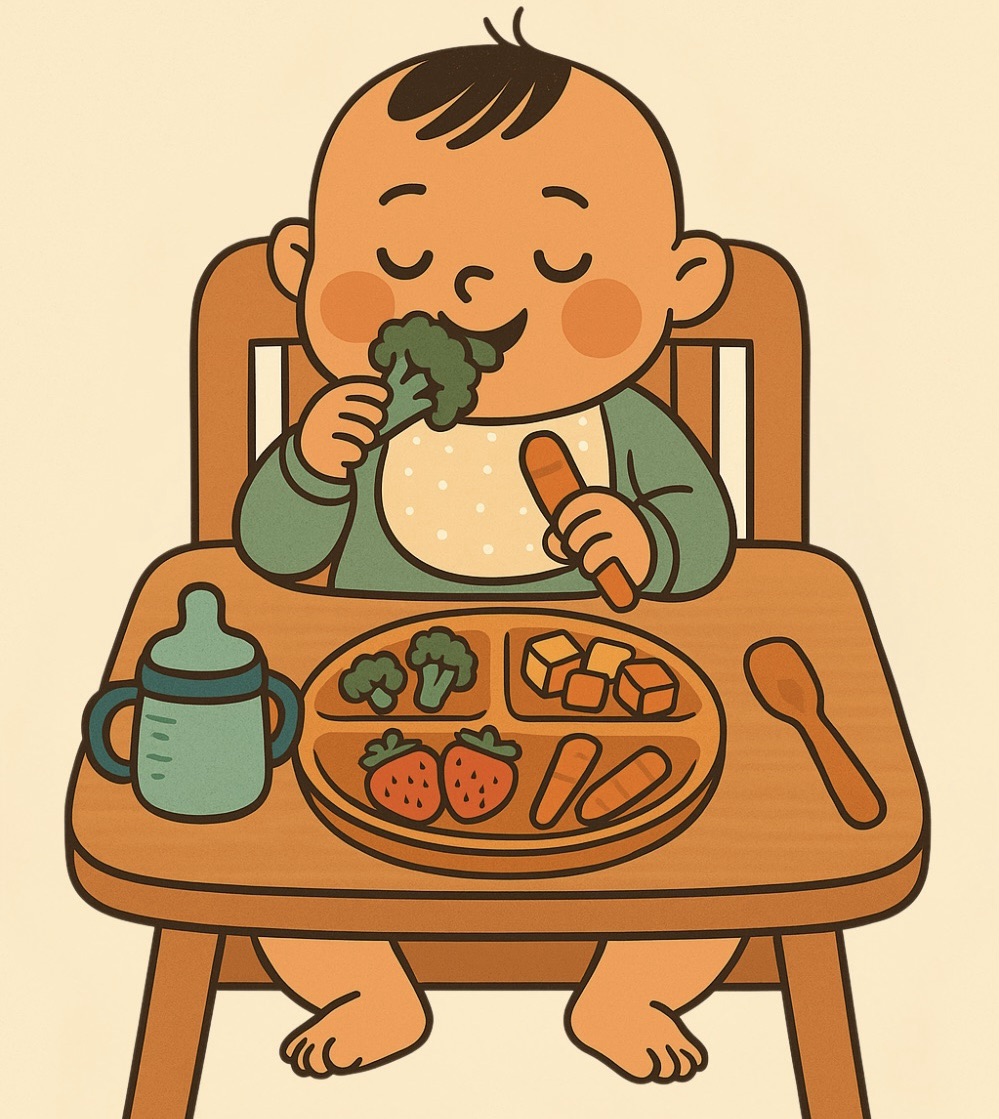
- Warm feeds — If your baby is older, slightly warm foods (rice porridge, warm dal) help. For infants, ensure feeds aren’t cold.
🌤 Chennai, Tamil Nadu & South India
Winters are milder here, but nights and early mornings can feel sharp.
- Use light quilts or fine wool wraps — Nothing heavy, but enough to ward off that early-morning chill.
- Warm the crib — Use a warm (not hot) water bottle wrapped in cloth early, remove before placing baby.
- Sun patches — On sunny mornings, let baby catch soft sunlight near windows.
- Ghee massage — A tiny dab of warm ghee on feet and palms helps warm up the body gently.
🌫 Kolkata, East & Northeast India
Here, winters come with fog, moisture, and dampness.
- Dry the surroundings — After fog clears, open windows midday to let in sun and fresh air.
- Use light layers — Wool is okay but better is mix of cotton + wool on top.
- Keep extra blankets ready — In foggy, damp weather, clothes can feel cold quickly.
- Home remedy: mustard seed poultice (very mild) — Didan used a thin cloth with slightly warmed mustard seeds placed near, not on, feet to ward off chill. (Only if baby tolerates, and always under doctor’s guidance.)
❄ Delhi, North India, Himalayan Foothills
This is where the extreme chill will be felt most. Cold waves, frost, biting wind — standard fare for many families here.
- Insulate rooms — Use draft guards (clothes stuffed in cloth) under doors, close windows corners, but leave a trickle of airflow.
- Double layer windows & curtains — Thick curtains, thermal linings help.
- Use room heaters smartly — Safe distance, never too close. Avoid direct heat on baby.
- Warm clothing layers — Wool, thermal innerwear, fleece jackets, and outer covers.
- Warm drinks — For older babies and toddlers, a spoon of warm milk with mild spices (like a hint of cardamom) helps.
- Blankets and shawls — Always a layer over the baby even when carrying outdoors.
- Sunlight catch time — If the sun peeks out mid-day, take baby near a sunny window or balcony (with due shade) for warmth.
What to Do When Signs of Discomfort Appear
If your baby shows:
- Cold, clammy skin
- Lips turning bluish or very pale
- Frequent sneezing, coughing, or troubled breathing
- Reluctance to feed
- Unusual lethargy
These are red flags — consult a pediatrician immediately. Don’t rely solely on home remedies.
A Little Reminder & Heartfelt Note
Yes, winter is coming, and this one may be tougher than the ones before. But with a little preparation, warmth, and watchful love, your baby can stay cozy, safe, and cared for through the cold months.
I’m no doctor — just a mother who’s learning from doctors, weather experts, and my own mother and grandmother. Use these tips as a helpful guide, not a substitute for medical care. Always consult your pediatrician if you have doubts or see worrying signs.
Stay warm. Stay kind to yourself. And wrap that baby in hugs (and the softest wool you have).
— The Good Juju 💛







Leave a comment