

Why a Little Sandbox Play Builds Big Immunity
Ever felt the pressure to keep your home in India gleaming at all times?
I’ve been there—wiping every surface thrice before guests arrive, only to field concerned glances from elders when my little ones return home with sandy fingers and muddy knees.
But here’s the twist:
A bit of dirt might be exactly what their immune systems are craving.
🕌 The Indian Cleanliness Conundrum
In many of our Indian households, cleanliness borders on obsession.
From daily mopping rituals to antibacterial sprays on every toy, we do everything possible to banish germs.
Yet, research warns that “Raising children in environments that are too clean leads to a weak immune system that will make the fundamental error of firing off whenever it meets an unfamiliar invader; that’s an allergic response” .
It turns out our great-aunt’s admonitions—“Don’t even touch the ground!”—could backfire. Without regular exposure to harmless microbes in soil and sand, kids miss crucial “training sessions” for their developing immune cells.
⏰ Our Daily Sand-Pit Siesta
To strike a balance, I carved out 30 minutes every afternoon for my daughter and son to romp in the playground sandbox. We scoop, sift, and yes, sometimes taste a stray granule or two—because it’s not about reckless exposure, but controlled, joyful play.
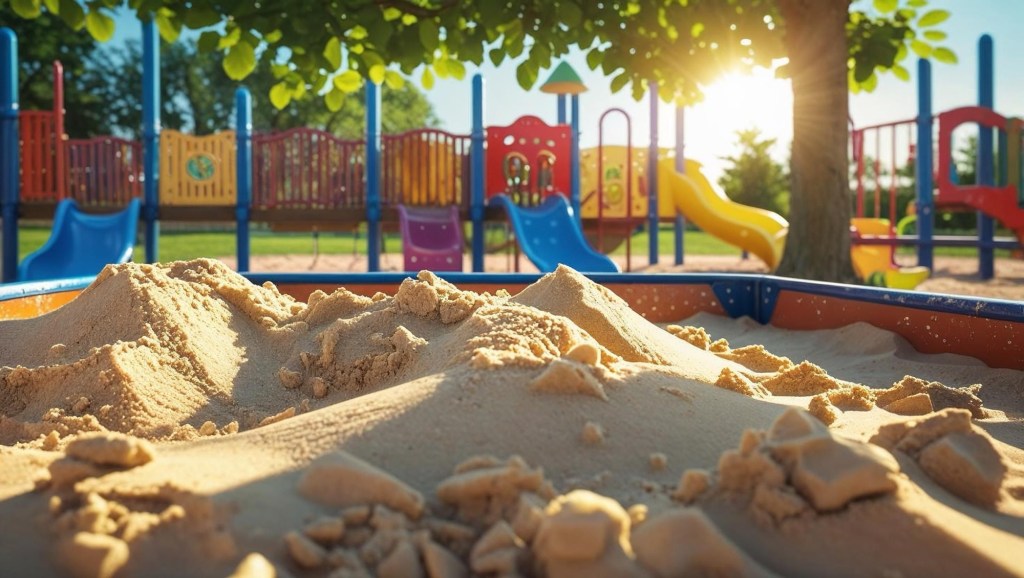
Of course, the neighborhood aunties peek over the fence in horror:
“Beta, germs se bimaar ho jayega!”
My reply? A smile and a gentle reminder:
A bit of grit now could mean fewer sniffles and doctor’s prescriptions later.
⚖️ Balance Is Everything
Neither Too Clean Nor Too Wild
- Under-exposure leaves the immune system naïve, prone to overreacting (think: asthma, eczema, seasonal allergies).
- Over-exposure—say, letting kids roll in pet waste or industrial sites—carries real infection risks.
A comprehensive review in Frontiers in Immunology emphasizes that the goal is “microbial diversity,” not microbial anarchy—that sweet spot where children meet a variety of benign bugs but steer clear of true pathogens .
📚 What the Research Says
- Farm vs. City Kids: Children raised on farms with daily soil contact show significantly lower rates of asthma and hay fever compared to their urban counterparts. Read more…
- Gut Microbiome Boost: Early interactions with soil microbes enrich the gut flora, which in turn tunes immune responses and reduces autoimmune risks. Read more…
- Mindful Cleanliness: A Journal of Clinical Immunology study found that families who focused on spot-cleaning high-touch areas (toys, door handles) but allowed natural outdoor play had healthier kids than those using broad-spectrum disinfectants everywhere. Read more…
✅ Practical Tips for the Indian Mama
(Who Wants a Healthy Immune System and a Clean House)
Let’s admit it—Indian homes practically sparkle with daily mopping, disinfectant rituals, and eagle-eyed aunties who’ll point out a single fingerprint on the fridge from across the room. But even in this sparkling reality, there’s room for a little dirt and a whole lot of immunity-building.
1. Create a “Microbe-Friendly” Play Zone
- Location: If you’ve got the space, set aside a small corner of your balcony, terrace, or backyard—ideally away from traffic grime, pet poop zones, and suspicious puddles.
- Setup: Lay down a clean tarp or mat, sprinkle fresh, sieved sand (if you’re feeling fancy, add a bit of organic garden soil), and technically you’re supposed to replace it monthly.
- But let’s be real—who has the time (or patience) to replace sand on a balcony, and then sweep up the sandy footprints trailing into every room?
- If this setup sounds like it’ll raise your blood pressure more than your child’s immunity, no worries.
- A clean, sunny patch of your local playground or park works just fine.
- Bonus points if it’s near a tree and not next to a samosa cart.

2. Let the Sun Do Its Work
UV-Power Your Toys & Sand
- Why It Works: Ultraviolet rays naturally kill many harmful bacteria without harming beneficial microbes.
- How to Do It: Once a week, spread out sand/toys on a clean mat under direct sun for 2–3 hours. Store in a covered bin afterward to preserve the microbial balance.
- This is especially helpful during monsoon months, when moisture loves to linger and invite unwanted guests (fungus, we see you 👀).
3. Hand-Wash Routines Over Sanitizer Scripts
- The Method: Post-play, wash little hands with plain soap and lukewarm water for 20 seconds—especially before meals or naps—sing “Happy Birthday” twice if you need a timer!
- Why Not Sanitizer? Alcohol wipes kill everything on contact—good and bad—whereas soap gently removes pathogens, preserving skin’s microbial allies.
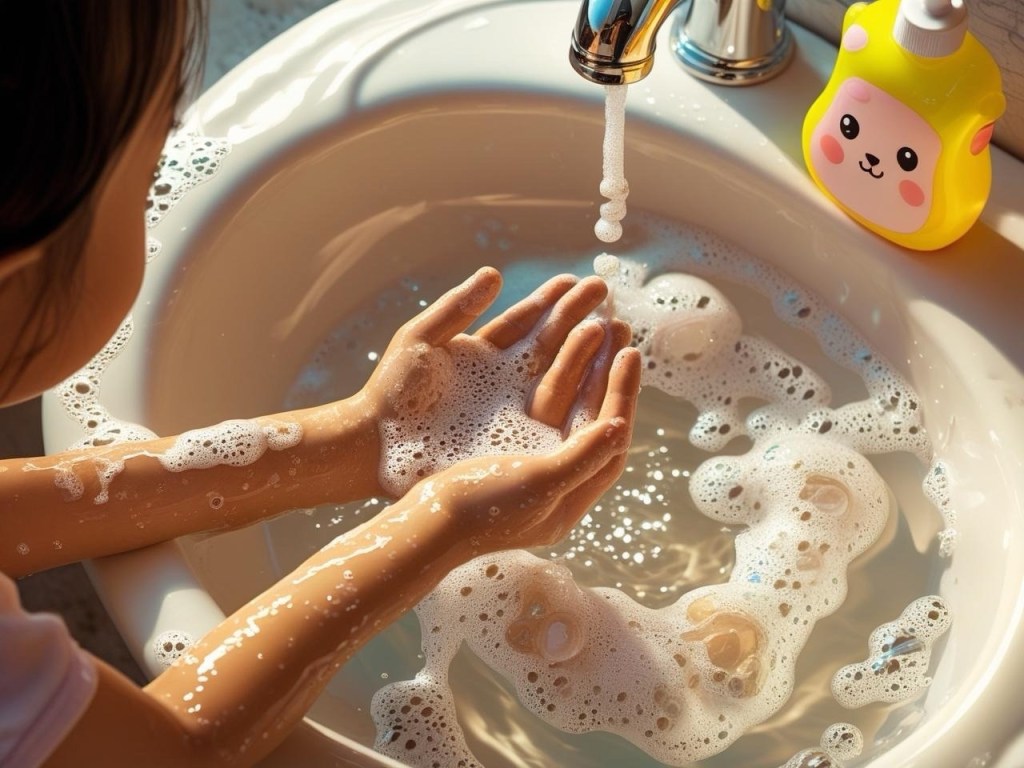
Reserve hand sanitizers for when you’re out and about. At home, soap does the job without bulldozing the good microbes.
4. Mix Up the Dirt—Naturally
- Sand One Day, Grass the Next: Let your child play on different surfaces—sand, grass, muddy patches after rain, dry leaves, even tree bark. Each one has its own set of tiny germs (the good kind!) that help your child’s immune system grow stronger.
- No Fancy Setups Needed: In India, we’re lucky to have so many kinds of soil and textures all around us. You don’t need to collect dirt in jars or create a Pinterest-worthy play bin. Just step outside! A garden, playground, temple courtyard, or even the corner of your building often has plenty to explore.
The more we try to over-clean or control nature, the less natural it becomes. Let kids experience things as they are—muddy, messy, and full of life. That’s how their bodies learn and grow best.
But be mindful—always supervise and watch for things they shouldn’t be tasting.
5. Clean What Needs Cleaning—Not Everything
- Targeted Disinfection: Instead of spraying every corner, focus only on high-touch zones like doorknobs, toilet handles, and food-prep counters with a mild disinfectant.
- The rest of the house? A little lived-in dust won’t hurt.
- Over-sanitizing every corner may feel satisfying, but it can limit kids’ exposure to harmless microbes their systems need to encounter.
- This way the overall household microbial diversity can be preserved while keeping true threats at bay.
6. Set Some Basic Boundaries
- Teach “Sand Etiquette”: No eating directly from the floor, no licking toys that’ve been in the garden, and definitely no digging near trash bins.
- Playful doesn’t mean careless—basic hygiene still applies.
7. Ward Off the Worrying Aunties—With Science!
- Help Elders Understand the Balance: Gently explain that controlled exposure to dirt isn’t neglect, it’s immune-system education.
- Share research (in simple terms) if needed: “Farm kids have lower allergy rates because they’re around more microbes early on” tends to resonate, even with skeptical kakimas.
8. Balance Baths & Barefoot Time
- Post-Play Bath: Bathing after messy play is a must, but avoid going overboard with harsh soaps or daily deep-cleans.
- Barefeet Benefits: Let kids walk barefoot on clean floors or grass occasionally—great for sensory development and microbe diversity.
9. Adjust for Seasons & Weather
- Monsoon Mud Safety: After heavy rains, let puddles settle for 24 hours before play—this allows harmful bacteria to die off under sun exposure.
- Summer Dust-Down: On extremely hot days, moisten sand slightly to reduce airborne dust and keep play cool.
10. Living with Bobi: Real-Life Pet Hygiene
- Separate Zones: Position Bobi’s litter box well away from your play area—and cover outdoor sandboxes (if you have any) when not in use to prevent “guest deposits”. Litter boxes should absolutely be off-limits to curious little hands, always.
- Hand-Washing After Petting? Sweet Idea, But…
- In an actual pet inclusive household, some of the cleanliness guides we find are just not practical.
- Every parenting guide recommends you to wash hands after petting.
- But if you’ve ever lived with kids and a cat, you know it’s easier to catch a toddler mid-cartwheel than enforce a “wash after petting” rule.
- Bobi, our cat and part-time guardian angel, eats with us, naps with us, and acts as a furry sidekick to my kids. He once stood watch over my then-7-month-old while the baby tried to eat his tail. (Bobi was not impressed, but didn’t flinch.)
- So yes, you can try to enforce hand-washing after every cuddle—but it’s a fool’s errand.
- Instead, focus on hand-washing before meals. That’s what counts.
- A Clean Cat = A Safe Snuggle Buddy: Cats are self-cleaning marvels. Especially indoor cats like Bobi, who maintains his dignity (and fur) with daily grooming sessions. Just make sure he’s up-to-date on vaccines, deworming, and vet checkups—because a healthy pet means a safer home for your kids.
🐾 Bobi Wisdom: “I keep myself clean. Your job is to keep snacks coming and small humans from pulling my tail again.”

11. When to Pause & Call the Doc
- Know When to Pause: Healthy exposure shouldn’t come at the cost of well-being.
- Watch for Signs: If your child shows signs of illness, put outdoor play on hold and consult a doctor.
- Red Flags: Persistent rashes, fever, or signs of tummy upset after play warrant a pediatrician visit.
- Emergency Prep: Keep your doctor’s number handy, and know where the nearest clinic is—just in case “dirt exploration” goes too far!
Disclaimer: I’m just a mother trying to do what’s best for my kids based on current research—not a pediatrician. Always consult a qualified healthcare professional for medical advice or emergencies.
❤️ Wrapping Up…
Mud + Love = Stronger Immunity
So the next time your little explorer shovels earth into her mouth, breathe easy. You’re not a bad parent—you’re fostering a healthy immune environment that no wipe-clean surface can replicate. Embrace the mess, celebrate the giggles, and trust that a little dirt today is a head start toward a resilient tomorrow.
After all, in the grand playground of life, sometimes the best lessons come from the ground up—quite literally!
Until next time, may your little ones’ giggles outshine any squeaks of squeaky-clean floors!
With love, logic, and a little dirt under the nails,
Pallavi 🤎
References:
- Rook, G. “Hygiene hypothesis and homeostasis of immune system.” PMCID
- Bloomfield, S. “Is the hygiene hypothesis true?” Johns Hopkins Public Health
- Allen, J. “Connection between cleanliness and immune system.” UCLA Health
- Burnet, F. “COVID-19 lockdowns’ unintended immune impacts.” Wired
- Live Science Staff. “Is playing in the dirt good for kids’ immune systems?” Live Science
- Centers for Disease Control and Prevention. “Outdoor Play and Safety for Children.” CDC
- ABC Quality. “Can playing in the dirt boost my child’s immune system?”






Leave a comment