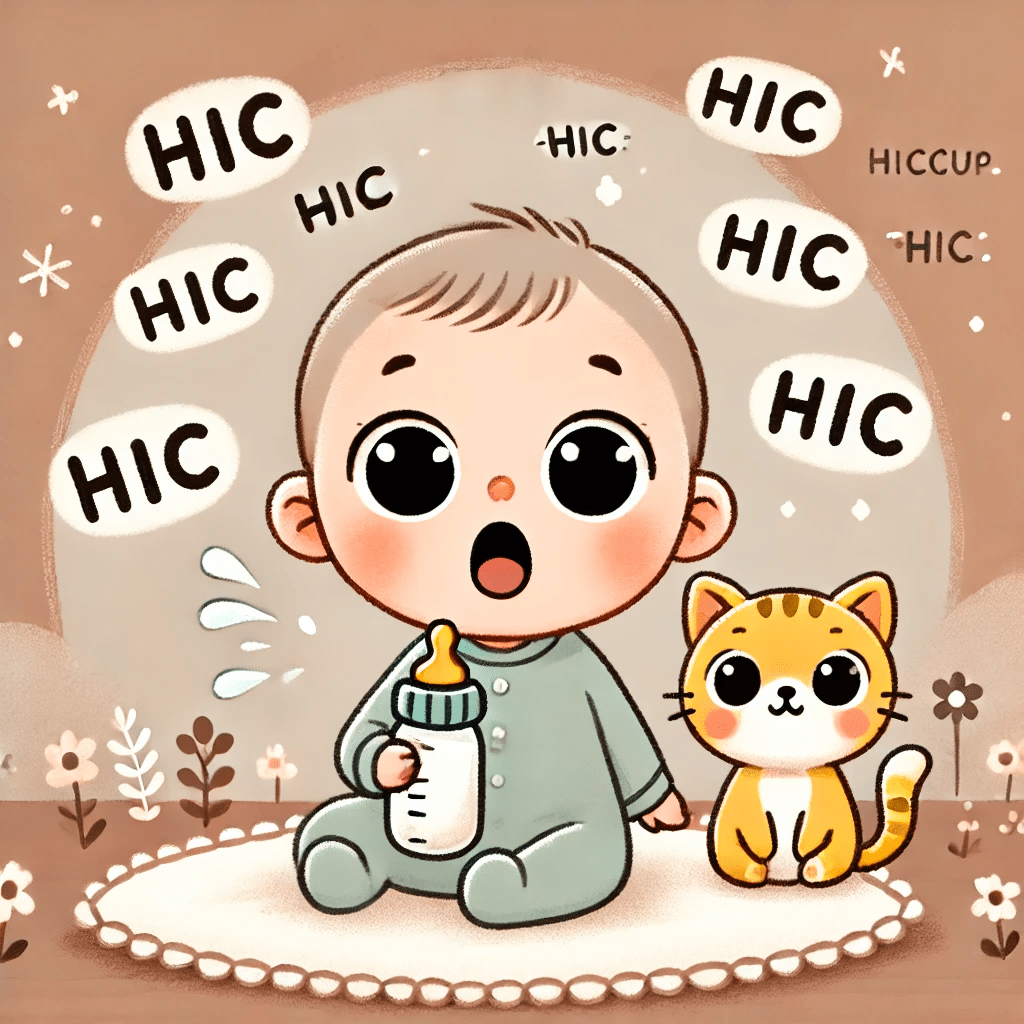
Baby hiccups—the tiny, rhythmic hic that somehow manages to sound both adorable and slightly alarming when coming from your little bundle of joy. One minute they’re peacefully snoozing or enjoying their milk, and the next, they’re bouncing like a little popcorn kernel in the microwave.
So, what’s the deal with baby hiccups? Why do they happen, and—most importantly—how do you politely ask them to leave? Let’s break it down.
What Causes Hiccups in Babies?
Hiccups happen when the diaphragm (that muscle under the lungs that helps with breathing) spasms involuntarily. This spasm makes the vocal cords snap shut, creating that classic hic sound. Babies are especially prone to hiccups because their diaphragm is still developing and tends to be a little… let’s just say, dramatic.
Why Do Babies Get Hiccups So Much?
Babies get hiccups for a variety of reasons, including:
- Feeding too fast or too much – Ever chugged a milkshake too fast? Yeah, babies do that too.
- Swallowing air while feeding – A poor latch or bottle flow that’s too fast can cause them to gulp air along with milk.
- Temperature changes – A sudden chill (or even just a cool breeze) can trigger hiccups.
- Excitement or overstimulation – Yes, even babies get too excited sometimes—like when they discover their own feet.
How to Prevent Baby Hiccups
While hiccups are mostly harmless, preventing them can save you from constantly wondering if your baby swallowed a tiny drum machine. Here’s how to stop hiccups before they start:
1. Feed Your Baby in a Calm, Upright Position
Holding your baby upright during and after feeding can help milk go down smoothly and reduce air intake.
2. Pace the Feeding
Whether breastfeeding or bottle-feeding, try giving your baby breaks instead of letting them guzzle everything at once. This helps their little tummy adjust and reduces hiccup-triggering gulping.
3. Check the Bottle Nipple Flow
If using a bottle, make sure the nipple isn’t too fast-flowing. A slower flow helps prevent excess air swallowing. Use a bottle designed to reduce air intake like this one or this one.
4. Burp Regularly During Feeds
Don’t wait until the end of a feeding to burp your baby. Try burping after every ounce (if bottle-feeding) or when switching breasts (if breastfeeding). This helps get rid of trapped air before it leads to hiccups.
5. Keep Baby Warm and Cozy
Sudden temperature changes can trigger hiccups, so keep your little one snug—especially when moving between indoors and outdoors.
6. Avoid Overfeeding
A too-full tummy can lead to hiccups. Watch for signs that your baby is satisfied rather than trying to finish every last drop.
How to Get Rid of Baby Hiccups
Now, onto the good stuff! Here are some tried-and-true ways to help your little one shake off those pesky hiccups:
- Burp, Burp, and Burp Some More
- Burping your baby mid-feed can help release trapped air before it turns into a hiccup-inducing situation. Try burping them after every ounce or two if bottle-feeding or when switching breasts if breastfeeding.
- Slow Down the Feeding Frenzy
- If your baby eats like they’re in a competitive eating contest, try pacing the feeding. Use a slow-flow bottle or take short breaks during breastfeeding to give their diaphragm a chance to chill.
- Offer a Pacifier
- Sucking on a pacifier can help relax the diaphragm and stop hiccups in their tracks. Plus, it’s a great distraction if your baby is feeling fussy about their unexpected hiccup attack.
- Try the “Tummy Time Trick”
- Laying your baby on their tummy for a short period can sometimes help relieve hiccups. Just make sure they’re awake and supervised! Bonus: It’s also great for building those little neck muscles.
- Change Positions
- Holding your baby upright can help keep hiccups at bay. Try gently bouncing them or patting their back while they sit up on your lap.
- Gripe Water (Optional)
- Some parents swear by gripe water (a mix of herbs and water) to help with hiccups. While there’s not a ton of scientific evidence behind it, some babies do seem to benefit from it. Just check with your pediatrician before giving it a try.
- Give It Time
- Most baby hiccups go away on their own. If your baby is happy and not bothered, you don’t need to do anything!
What Not to Do
While it might be tempting to try some old wives’ tales, here are a few things not to do:
- Don’t scare your baby. (Yes, some cultures swear by the “boo!” method, but let’s be real—you don’t want to be the parent responsible for giving your baby their first existential crisis.)
- Don’t pull their tongue or press on their forehead. (I don’t know who came up with these, but let’s just say… no.)
- Don’t give them water if they’re under six months. (Babies this young don’t need water, and giving it to them can be unsafe.)
- No sugar or lemon tricks. Some old-school remedies suggest putting sugar on a baby’s tongue. Please, let’s not turn hiccup prevention into a science experiment.
- Don’t hold their breath. I can’t believe I have to say this, but just in case—never try to “hold” a baby’s breath like you might for an adult. Babies are delicate creatures, not competitive free divers.
When to Worry
Most baby hiccups are totally normal and harmless. However, if your baby’s hiccups seem to be interfering with feeding, happen all the time, or come with signs of distress (like crying, arching their back, or spitting up excessively), it could be a sign of acid reflux or another issue. In that case, check in with your pediatrician.
Final Thoughts
Baby hiccups may be a tiny mystery of parenthood, but they’re usually nothing to stress over. A few hiccups here and there are just part of the baby experience—right up there with diaper explosions and inexplicable 3 a.m. giggle fits. So take a breath, enjoy the cuteness, and remember: this too shall pass (probably right when you start Googling “how to get rid of baby hiccups”).
Got any hiccup hacks of your own? Drop them in the comments—I promise I won’t judge if they involve doing a funny dance.
Just a heads-up: This post contains affiliate links. That means if you click and make a purchase, I might earn a tiny commission—at no extra cost to you! For all the fine print, check out my affiliate disclosure.









Leave a comment